Try Seedance 2.0 Now — Generate AI Video Free
Enter a text prompt or upload a reference image. Seedance 2.0 generates cinematic video with native audio. Switch to Kling, Veo, or other engines from the same interface.
This image will be the starting frame of your video
0 / 20000
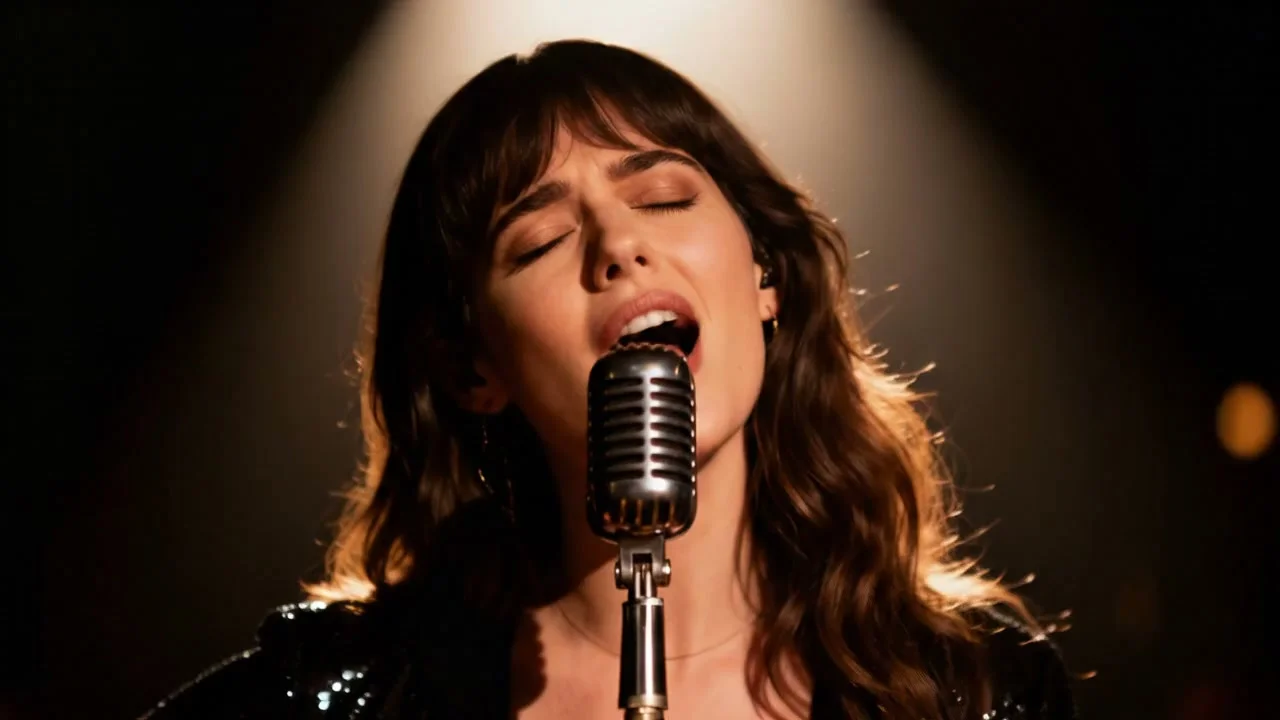
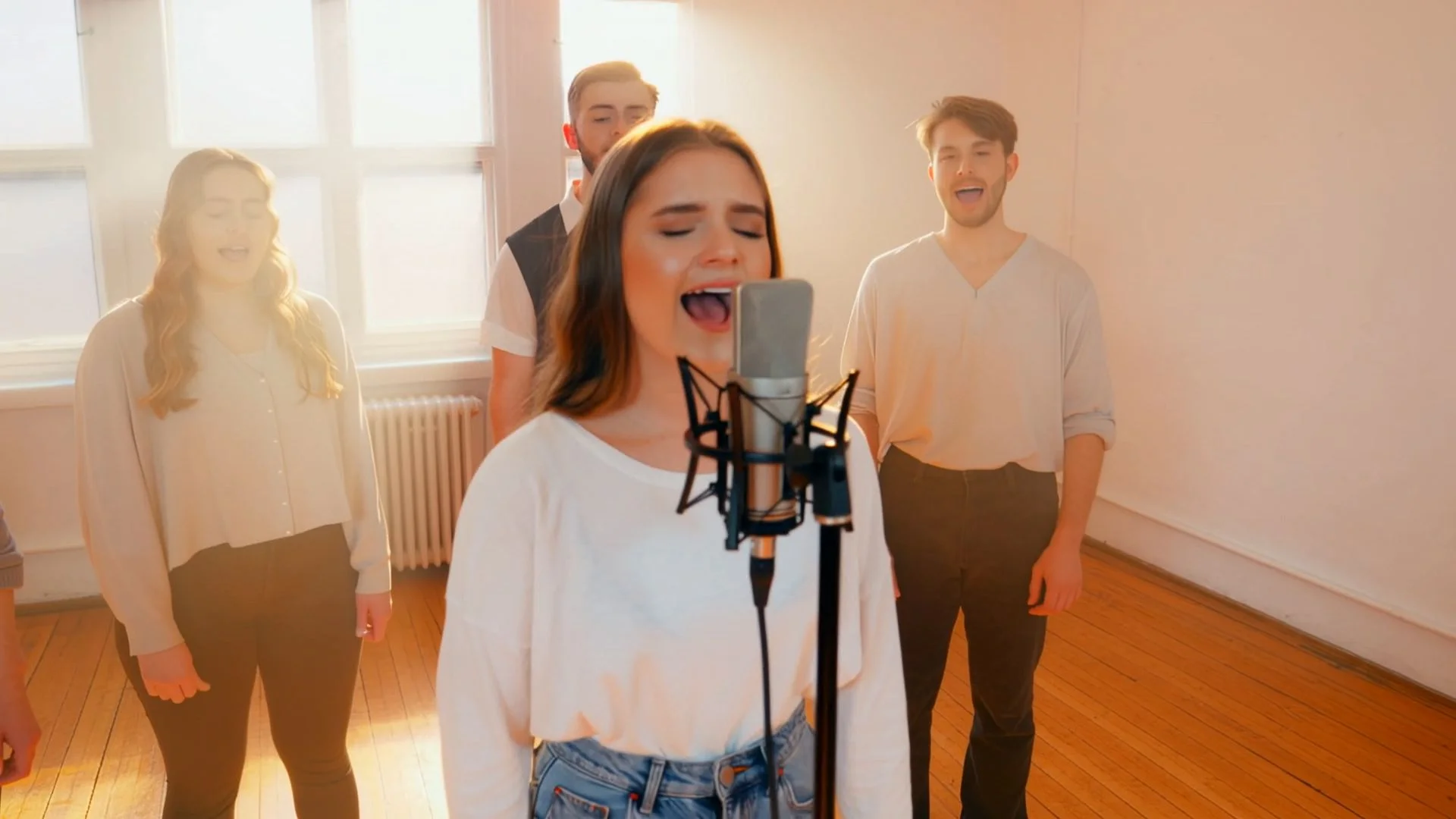

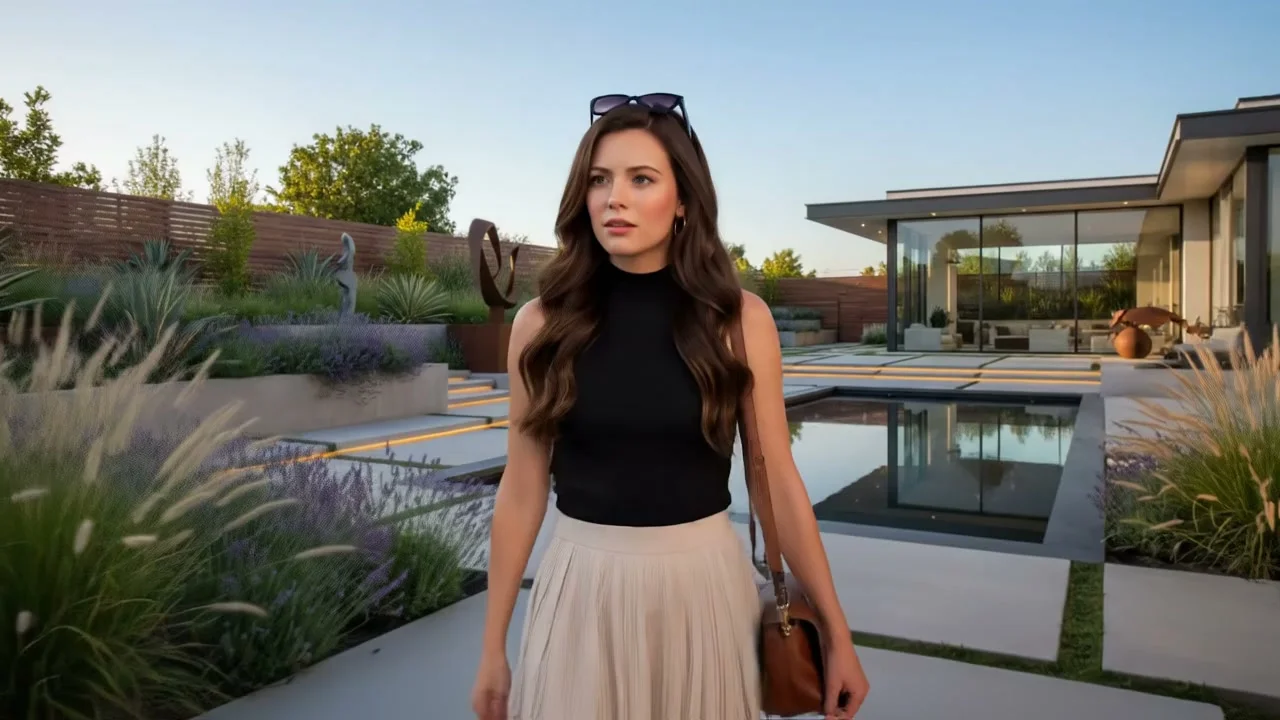
Bytedance Seedance AI Creations
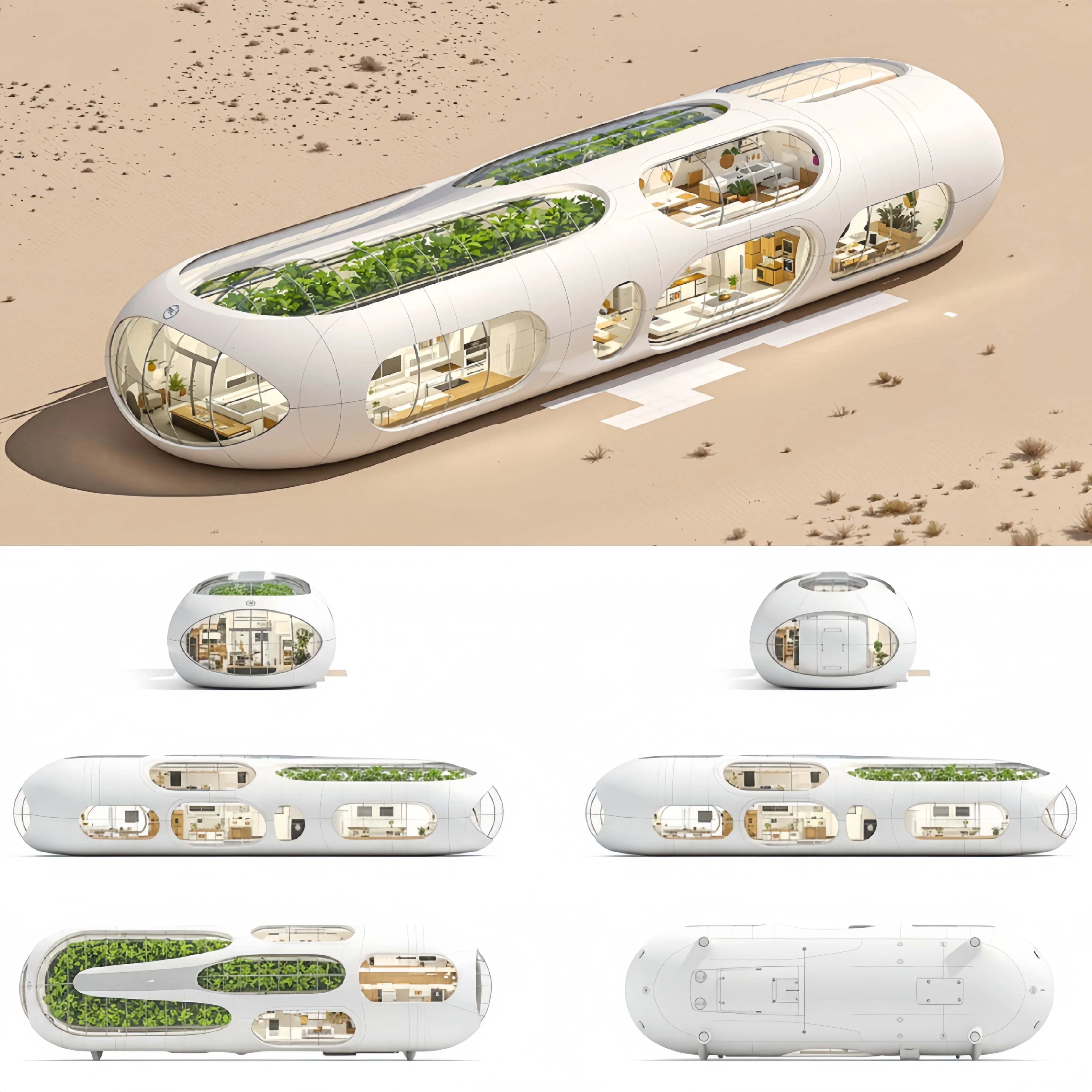
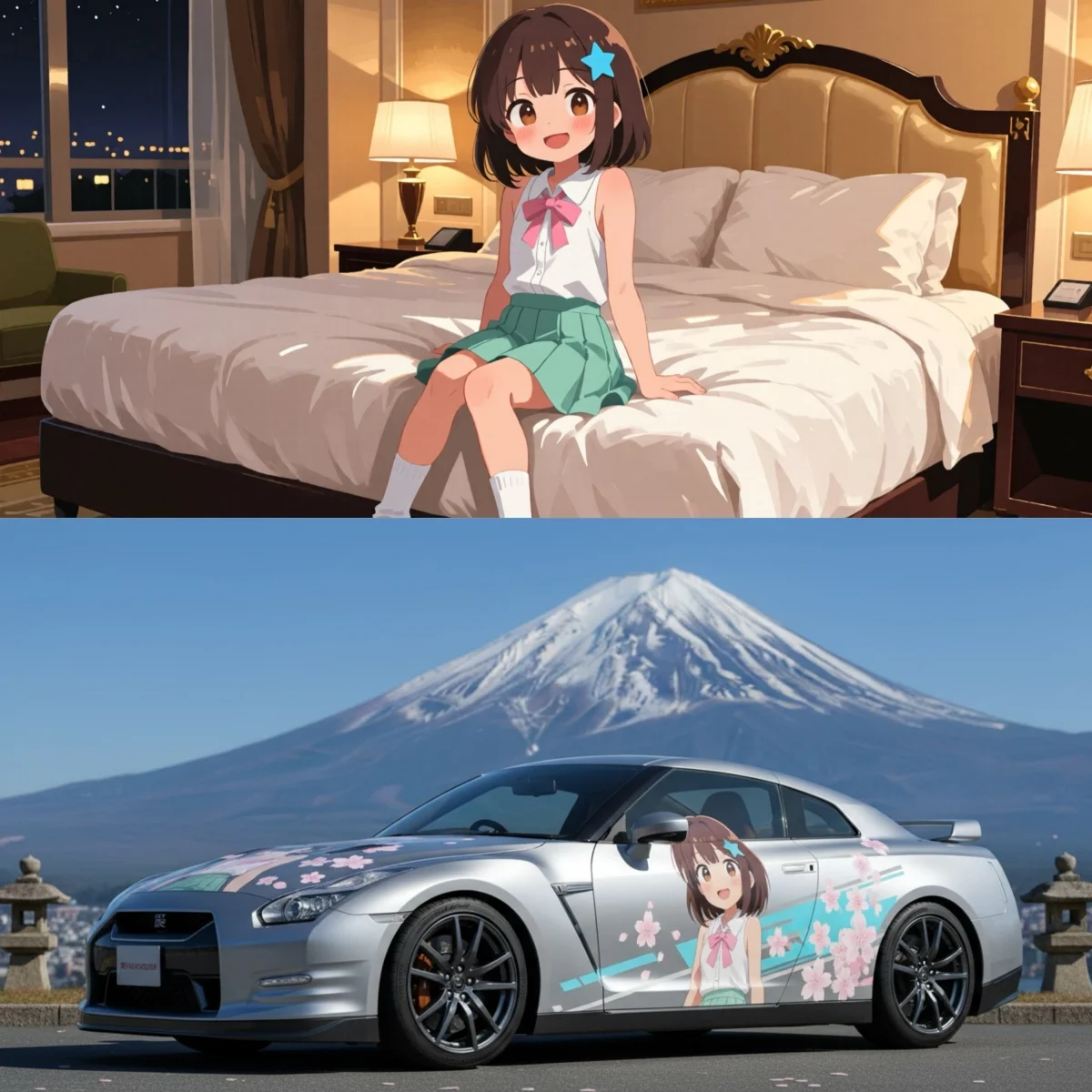
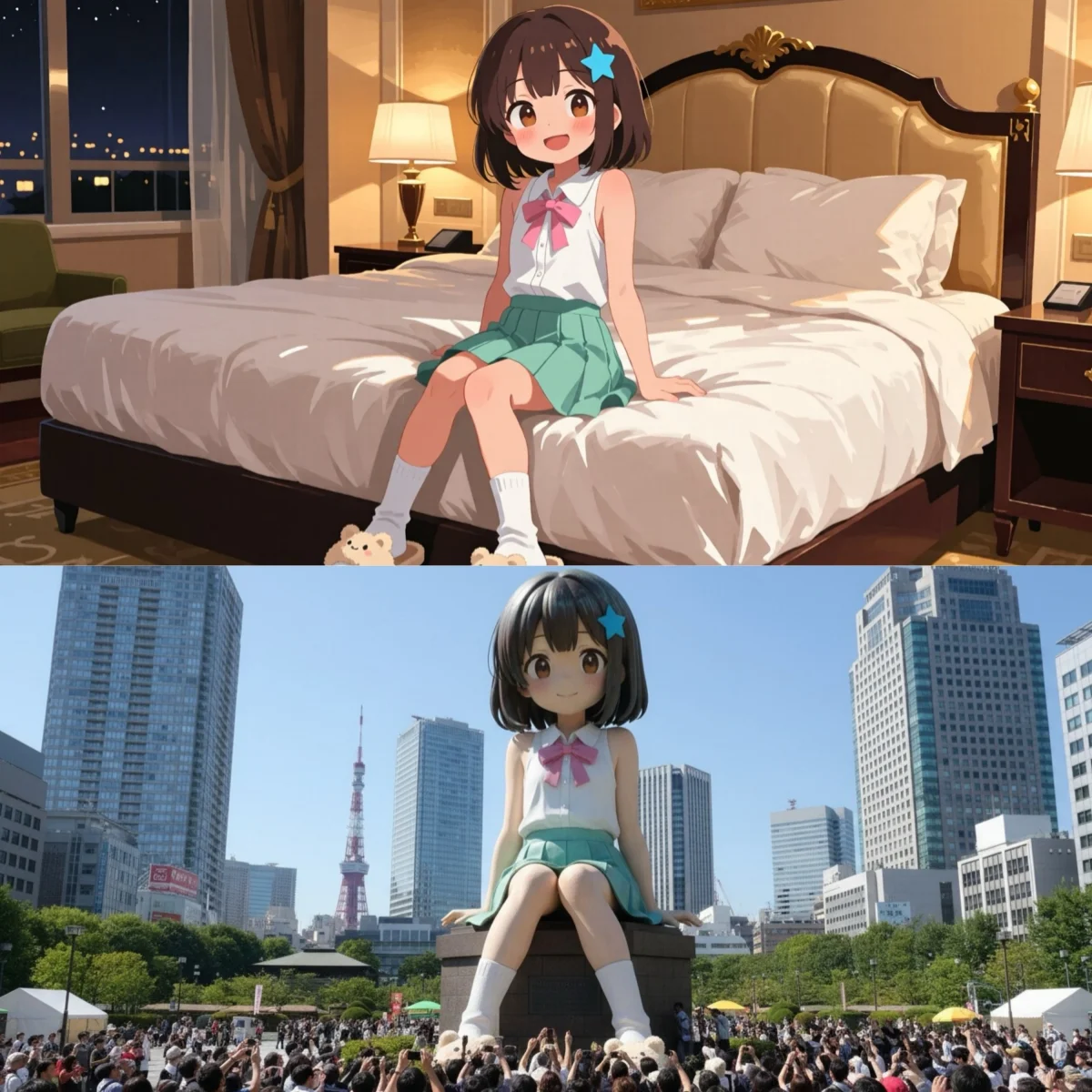
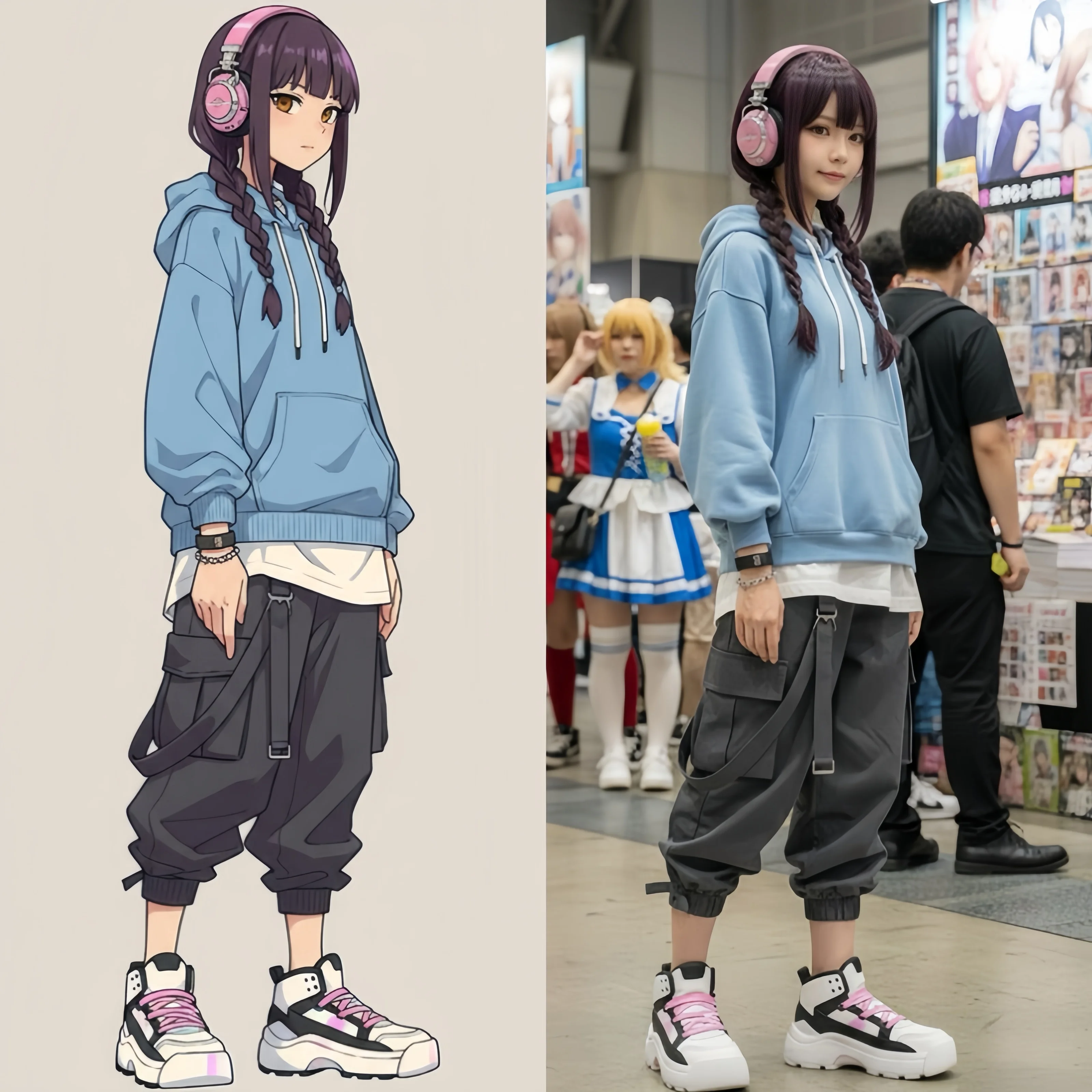
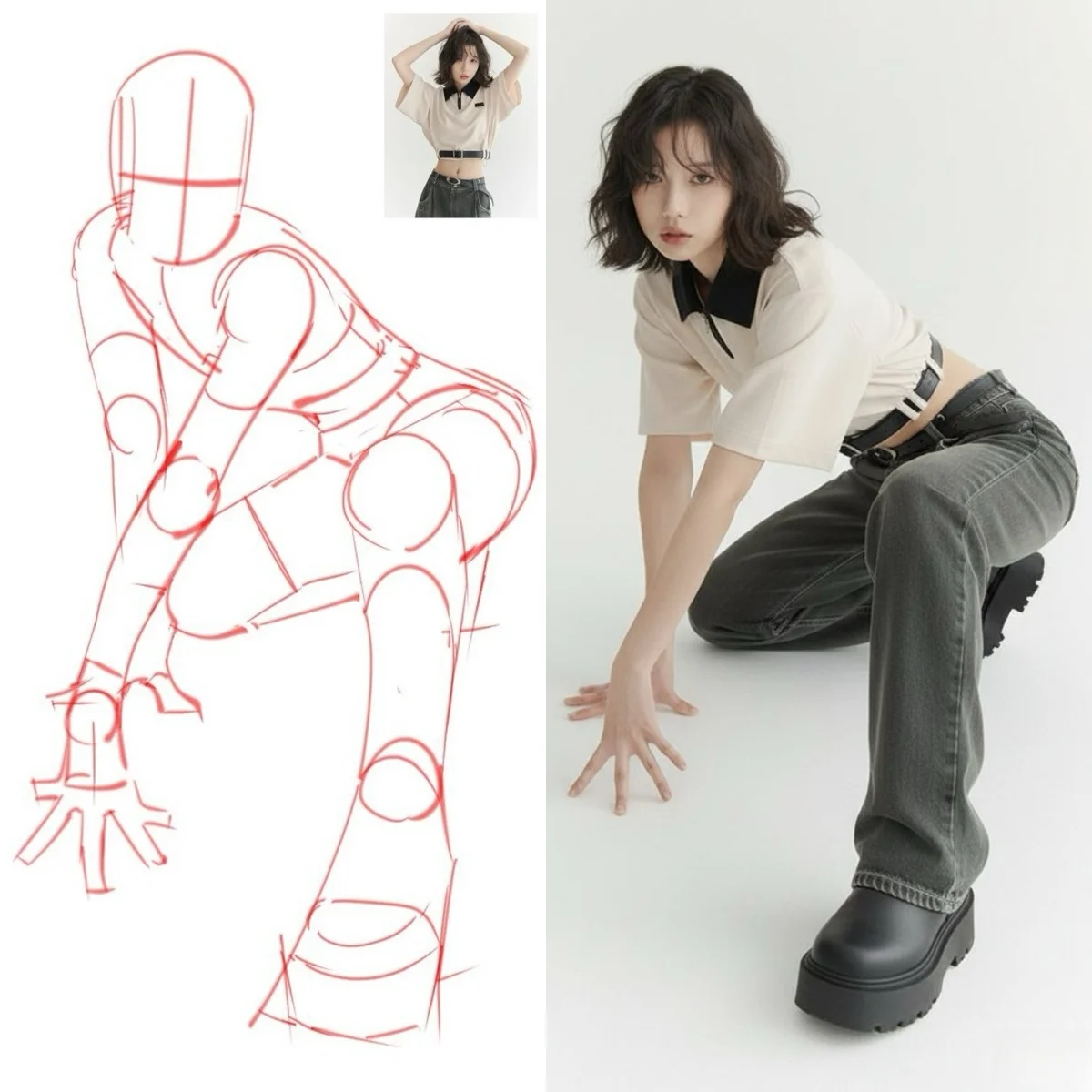
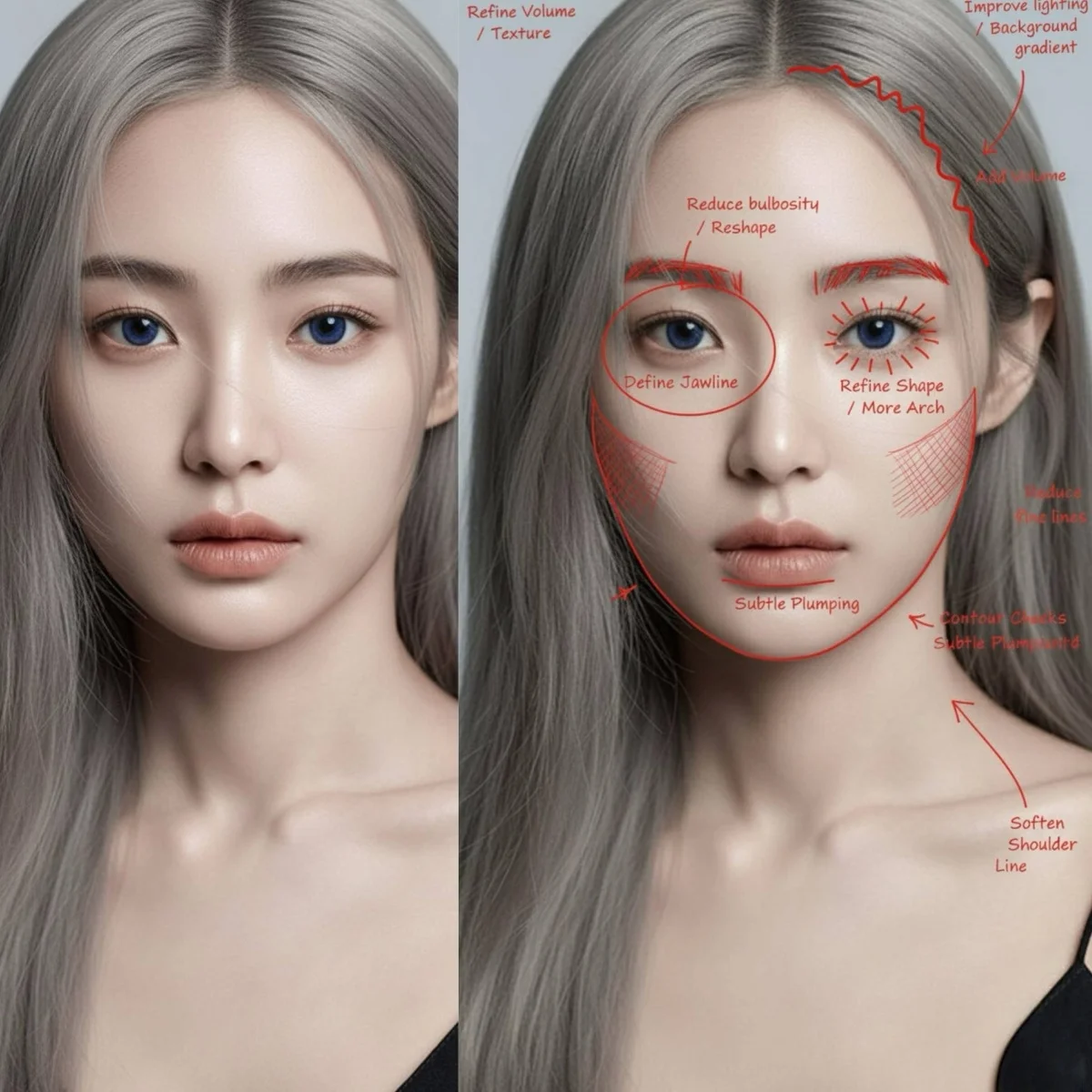
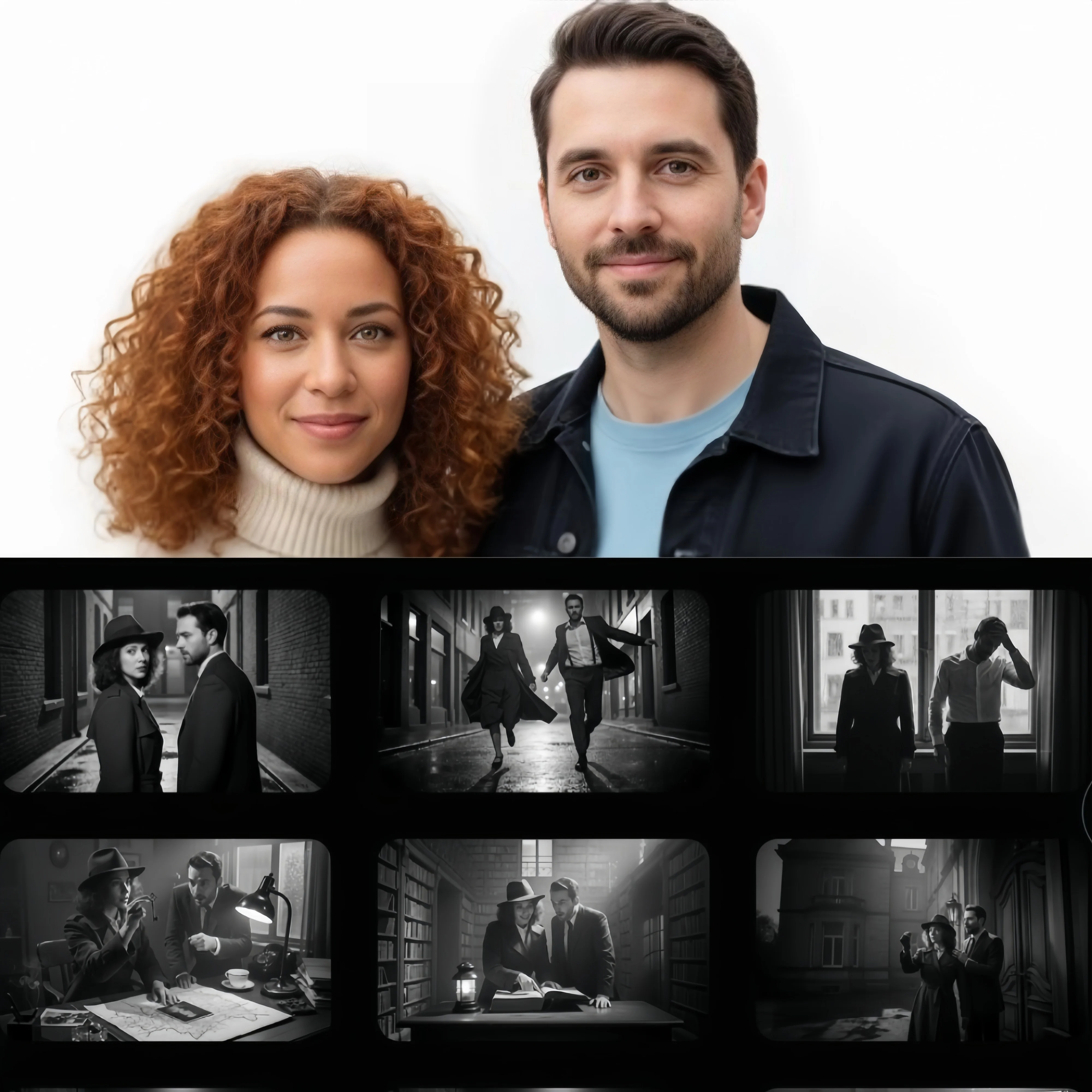
Browse cinematic video clips, animated images, and high-resolution stills created with Seedance 2.0 and other AI engines on this platform. See what's possible before you start.
What Is Bytedance Seedance 2.0?
Seedance 2.0 — also referred to as Seedance2 or Seedance2.0 — is ByteDance's multimodal AI video generation model, launched on February 9, 2026. Built on the Dual-Branch Diffusion Transformer (DB-DiT) architecture, Seedance 2.0 processes video and audio as two parallel streams in a single generation pass — producing synchronized visual and audio output without a separate post-processing step. The model accepts four types of input simultaneously: text prompts, up to nine reference images, up to three video clips, and up to three audio tracks, making it the most reference-capable AI video model currently available. Output reaches 2K resolution with clip lengths up to 15 to 20 seconds, including multi-shot scene transitions handled within a single generation request. On the Artificial Analysis Video Arena — the industry's primary blind-test benchmark for AI video quality — Seedance 2.0 holds the top Elo rating for image-to-video with audio, ahead of Kling 3.0, Veo 3, and Runway Gen-4.5.
What separates Seedance 2.0 from conventional AI video generators is its Dual-Branch Diffusion Transformer architecture. Most AI video models handle audio and video through separate pipelines and merge the outputs in post-processing — producing audio that reacts to the video rather than being generated with it. Seedance 2.0's DB-DiT processes both streams in parallel, so motion timing, lip synchronization, environmental sound, and music all emerge from the same generation step. The result is tighter temporal alignment between what is seen and what is heard, more physically plausible motion — cloth reacting to airflow, water displacing on contact, weight transferring naturally as characters move — and stronger adherence to complex multi-clause prompts. Seedance 2.0's multi-reference input system is equally distinctive: by accepting up to nine reference images alongside video and audio clips, the model can anchor specific character appearances, camera movement patterns, color palettes, and sound atmospheres — a level of creative control that text-only generation cannot match.
This platform brings Seedance 2.0 capabilities directly to your browser. Generate AI video from text prompts, animate still images with physics-accurate motion, or supply reference files to guide every aspect of the output — appearance, camera movement, sound, and pacing. Seedance 2.0 operates alongside additional AI engines so you can compare outputs from the same prompt: Kling 3.0 for multi-shot narratives, Veo 3 for cinema-grade eight-second clips, Wan 2.6 for style-consistent image-to-video. The image workspace adds Seedream for native 4K output, GPT Image for typography-accurate graphics, and Flux 2 Pro for rapid batch generation. No GPU, no software installation, and no motion capture hardware — write a prompt or upload reference files and Seedance 2.0 generates the rest.
AI Models Available — Led by Seedance 2.0
Seedance 2.0 leads the lineup with 4-modality input and native audio generation. Kling, Veo, Seedream, and specialized image engines cover every format from the same account.
Seedance
VideoSeedance 2.0 by ByteDance — the flagship AI video engine on this platform. Generates cinematic video and native audio in a single pass using the Dual-Branch Diffusion Transformer (DB-DiT) architecture. Accepts up to nine reference images, three video clips, and three audio tracks per generation. Produces 2K video up to 15 seconds. Ranked #1 on Artificial Analysis for image-to-video with audio.
Kling
VideoKuaishou's production video engine. Generates up to 15 seconds across standard and pro quality modes with multi-shot sequencing that handles scene transitions in a single prompt. Supports Motion Control for full-body character animation from a reference clip — choreography, dance, and performance transfer with finger-level hand precision.
Veo
VideoGoogle DeepMind's cinema-grade video generator. Produces eight-second clips at broadcast quality with built-in spatial audio — no post-production audio step. Excels in environmental realism and wide-lens scene composition. Supports first-and-last-frame control for precise scene bookending.
GPT Image
ImageOpenAI's image model optimized for visual accuracy in generated text. Ranked at the top of LMArena and the Artificial Analysis Image Arena for typographic fidelity. The direct choice when the prompt includes readable labels, logos, signage, or any content where legibility in the output image is non-negotiable.
Flux Pro
ImageBlack Forest Labs' production image engine built for throughput. Generates at 1K and 2K across seven aspect ratios with a benchmark-leading win rate in head-to-head comparisons. Designed for batch workflows — product photography, social content, and rapid iteration where generation speed is the primary constraint.
Nano Banana
ImageGoogle's character-consistency image engine. Accepts up to eight reference images to anchor a specific face, hairstyle, clothing, or brand mark across every image in a series. Nano Banana 2 extends this to 14 reference inputs and adds Google Search grounding for real-world subject accuracy.
Seedream
ImageByteDance's native 4K image engine. Outputs up to 4096×4096 px across eight aspect ratios including 21:9 ultrawide. Seedream 5 applies Chain-of-Thought visual reasoning — working through spatial relationships step by step before rendering — for more coherent multi-figure compositions and precise environmental detail.
Runway Gen-4
VideoRunway Gen-4 Aleph for video editing rather than generation. Supply existing footage and a text prompt to restyle, recolor, or modify objects while preserving the original motion path. Supports multiple aspect ratios with professional-grade output for post-production and content modification workflows.
What You Can Create with Seedance 2.0
Video with native audio, high-resolution images, motion transfer, and lip-sync avatars — all from your Bytedance Seedance account. Seedance 2.0 leads the video lineup; specialized image engines handle every format.
AI Video Generator
Seedance 2.0 generates video and native audio in a single pass — dialogue, sound effects, and ambient audio produced alongside the visual output with no post-processing step. Kling 3.0 adds multi-shot sequencing up to 15 seconds. Veo 3 delivers eight-second cinema-grade clips with spatial stereo. Text-to-video, image-to-video, and multi-reference generation from the same prompt interface.
Create VideoAI Image Generator
GPT Image for prompts where text rendering accuracy inside the image is essential. Seedream for native 4K output across eight aspect ratios including ultrawide. Flux 2 Pro for rapid batch generation with a benchmark-leading win rate. Nano Banana Pro for consistent character appearances across a series. Text-to-image and image-to-image side by side.
Create ImageWhy Use Seedance 2.0 on Bytedance Seedance
Seedance 2.0 sets the benchmark for AI video quality. This platform makes it accessible in your browser alongside every other leading AI video and image engine.
#1 for Image-to-Video with Audio on Artificial Analysis
Seedance 2.0 holds the top Elo rating on the Artificial Analysis Video Arena for image-to-video with audio — the primary independent benchmark for AI video quality using blind human preference evaluation. The Elo score reflects thousands of side-by-side comparisons where evaluators choose without knowing which model produced each output. Seedance 2.0 leads Kling 3.0, Veo 3, and Runway Gen-4.5 in this category.
4-Modality Reference Control
Seedance 2.0 accepts four input types simultaneously — text, up to nine reference images, up to three video clips, and up to three audio clips. No other publicly available AI video model offers this level of multi-reference control. Specify character appearance from a photo, camera movement from a reference clip, and sound atmosphere from an audio track — all in a single generation request.
Native Audio-Video Joint Generation
Seedance 2.0's Dual-Branch Diffusion Transformer (DB-DiT) generates video and audio in parallel — not sequenced. Synchronized dialogue, ambient environmental sound, and music emerge from the same generation step as the visual output. Lip synchronization tracks phoneme timing frame by frame. There is no separate audio step, no merging in post-production, and no temporal drift between the visual action and the sound.
2K Resolution, Up to 15-Second Clips
Seedance 2.0 outputs video at up to 2K resolution with clip lengths up to 15 seconds, including multi-shot scene transitions in a single generation pass. Generation speed is approximately 30% faster than the previous Seedance release. Other engines on this platform extend your options — Kling 3.0 supports up to 15 seconds in 4K, and Veo 3 produces eight-second broadcast-quality clips.
Browser Access — No GPU Required
Seedance 2.0 is officially available through ByteDance's Dreamina platform with access currently limited in many regions. This platform provides browser-based access to Seedance 2.0 generation with no GPU, no software installation, and no account required to browse. Write a prompt or upload reference files and generate — commercially licensed output is available on paid plans with no additional licensing fees.
How to Use Bytedance Seedance 2.0 — 3 Steps
From prompt to finished video in three steps. No GPU, no installation, no prior experience required.
Write your prompt or upload reference files
Describe the scene — subject, motion, setting, mood, and audio intent. For Seedance 2.0's reference mode, upload up to nine images to anchor character or environment appearance, up to three video clips for camera movement or action templates, and up to three audio clips for sound atmosphere. Text-only prompts also work — reference files are optional, not required.
Select Seedance 2.0 or compare engines
Choose Seedance 2.0 for 4-modality reference control and native audio generation. Or run the same prompt on Kling 3.0 for multi-shot sequencing, Veo 3 for cinema-grade output, or Wan 2.6 for image-to-video with style consistency. Image generators — Seedream, GPT Image, Flux, Nano Banana — are available from the same Bytedance Seedance workspace. Compare results and ship the output that fits your project.
Download and use commercially
Seedance 2.0 generation takes several minutes depending on clip length and reference complexity. Output arrives at 2K resolution — watermark-free on paid plans with full commercial licensing. Ready for social media, advertising, film pre-production, branded content, and client deliverables with no additional licensing fees.
Frequently Asked Questions About Seedance 2.0
What Seedance 2.0 is, how to access it, and how it compares to other AI video generators.
Seedance 2.0 — also written as Seedance2 or Seedance2.0 — is ByteDance's multimodal AI video generation model, released on February 9, 2026. Built on the Dual-Branch Diffusion Transformer (DB-DiT) architecture, Seedance 2.0 generates video and native audio in a single forward pass — synchronized dialogue, environmental sound, and music produced alongside the visual output. It accepts text prompts plus up to nine reference images, three video clips, and three audio tracks per generation, producing output at 2K resolution with clips up to 15 to 20 seconds. On the Artificial Analysis Video Arena, Seedance 2.0 holds the top Elo rating for image-to-video with audio — the primary blind-test benchmark for AI video quality. Bytedance Seedance is the platform where you can generate Seedance 2.0 video directly in your browser.
Seedance 2.0 is officially available through ByteDance's Dreamina platform, with access currently limited to certain regions. On Bytedance Seedance, you can use Seedance 2.0 (also written as Seedance2) directly in your browser — no download, no GPU, and no account required to browse. New users receive starter access on sign-up to generate Seedance 2.0 video and image outputs immediately at no cost. Watermark-free output with full commercial licensing requires a paid plan. No credit card is needed to start.
Three architectural decisions separate Seedance 2.0 from competing models. First, its Dual-Branch Diffusion Transformer generates video and audio in parallel rather than sequencing them — producing tighter temporal alignment between motion and sound. Second, it accepts four input modalities simultaneously: text, images, video clips, and audio clips — no other publicly available model offers comparable reference control. Third, its multi-shot capability handles scene transitions within a single generation pass, producing coherent narrative sequences without manual editing. In blind preference evaluations on Artificial Analysis, Seedance 2.0 ranks first for image-to-video with audio, ahead of Kling 3.0, Veo 3, and Runway Gen-4.5.
Yes. Seedance 2.0 generates video and audio jointly in a single forward pass using its Dual-Branch Diffusion Transformer architecture. The model produces synchronized dialogue with phoneme-level lip synchronization, ambient environmental sound that matches the scene, and background music that follows the narrative rhythm — all without a separate audio generation step or post-production merging. Audio is generated with the video, not added to it afterward. This co-generation approach produces tighter alignment between visual action and sound timing than models that handle audio separately.
Each model leads in a different area. Seedance 2.0 ranks #1 on Artificial Analysis for image-to-video with audio and offers the most extensive reference input system — nine images, three video clips, and three audio clips per generation. Kling 3.0 excels in multi-shot sequencing up to 15 seconds with 4K output support, Motion Control for character animation, and the fastest generation times of the three. Veo 3 leads in cinematic scene composition and environmental realism, producing eight-second broadcast-quality clips with built-in spatial audio. All three are available on this platform from the same account — run the same prompt on each and compare results before downloading.
Seedance 2.0 outputs video at up to 2K resolution with clip lengths up to approximately 15 to 20 seconds. The model supports multi-shot storytelling — generating scene transitions within a single pass rather than requiring separate clips to be edited together. Generation speed is approximately 30% faster than the previous Seedance release; a 10-second clip typically takes five to ten minutes depending on reference complexity. For higher resolution, Kling 3.0 on this platform supports 4K output; for extended clip length, Wan 2.6 offers image-to-video at up to 15 seconds.
Official access to Seedance 2.0 through ByteDance's Dreamina platform is currently limited to users in China and select regions. Direct API access remains restricted for most international developers and creators. Bytedance Seedance provides browser-based access to Seedance 2.0 generation capabilities without geographic restrictions — no VPN, no regional account required. Sign up directly on this platform to generate Seedance 2.0 video and image outputs from any country.
Seedance 2.0 — sometimes written as Seedance2 — represents a meaningful architectural and qualitative advance over Seedance 1.0 across every major dimension. Resolution increases from 1080p to 2K. Maximum clip length extends from approximately 5 to 8 seconds to 15 to 20 seconds with multi-shot scene transitions. The input system expands from text and a single image to four modalities — up to nine images, three video clips, and three audio clips per generation. Generation speed improves by approximately 30%. Audio integration advances from a separate pipeline to native DB-DiT co-generation, producing tighter audio-visual synchronization. Motion quality, prompt adherence on complex descriptions, and output usability rate all improve substantially over the prior release.
Seedance 2.0 accepts three categories of reference input alongside a text prompt. Images — up to nine JPG or PNG files — anchor character appearance, facial features, environment design, style references, and color palettes. Video clips — up to three — provide templates for camera movement patterns, action choreography, editing rhythm, and scene pacing. Audio clips — up to three, each up to 15 seconds — guide background music style, sound effects, and dialogue atmosphere. You can use any combination of these reference types in a single generation request; none are required if you prefer text-only prompting.
Yes. All video, image, and audio outputs generated through paid plans on Bytedance Seedance carry commercial usage rights. Output is watermark-free and production-ready — licensed for social media publishing, advertising campaigns, film pre-production, branded content, product videos, music videos, and client deliverables. No additional licensing fees apply to content generated within your plan, and no attribution to the platform is required. Free plan outputs include a watermark and are not cleared for commercial use.
Start Creating with Seedance 2.0
Bytedance Seedance puts Seedance 2.0 directly in your browser. Generate cinematic video with native audio, reference-guided scenes, and high-resolution images — no GPU, no installation, no wait.